Carmel Valley Homes for Sale, From the Village to the Upper Valley
Carmel Valley runs inland from the Carmel coast along the Carmel River, and it is the part of the Monterey Peninsula where the weather changes most dramatically. The summer marine layer that sits over Carmel and Pacific Grove thins as it moves up-valley, and the afternoons in Carmel Valley are reliably warmer and brighter than they are twenty minutes away, near the water. That one fact explains a lot about what people are buying here.
The other thing worth understanding early is that Carmel Valley spans a good distance. It is not a single market, and the difference between the entrance and the far end is larger than the drive between them suggests.
Nate Randall has represented buyers and sellers in Carmel Valley and across the Monterey Peninsula with Sotheby’s International Realty. Born and raised on the Monterey Peninsula, he was named by RealTrends Verified 2026 to the top 1.5% of real estate professionals nationwide, and has been named to Sotheby’s Top 100 associates nationwide.
What Sets Carmel Valley Apart
- Sun instead of fog. The valley sits behind the coastal fog line for much of the summer, and the effect strengthens the farther inland a property sits.
- Land. Lot sizes in Carmel Valley run from village parcels to holdings measured in tens of acres, with the largest parcels at the eastern end.
- A real village center. Carmel Valley Village has restaurants, wine tasting, and shops clustered along a few blocks, which is unusual this far inland.
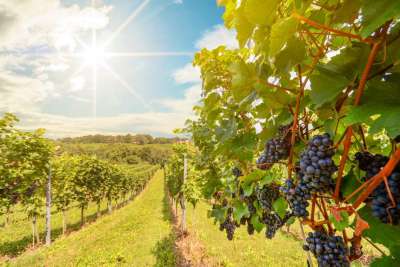
- Wine country. Established Monterey County wineries including Bernardus, Talbott, Joullian and Holman Ranch are based in or near the valley, several with tasting rooms in the village.
- Parks at both ends. Garland Ranch Regional Park sits just outside the village, Palo Corona Regional Park anchors the mouth of the valley, and Los Padres National Forest and Arroyo Seco lie beyond the eastern end.
- Resorts inside the market. Bernardus Lodge, Carmel Valley Ranch, Quail Lodge and Los Laureles Lodge all sit in the valley, which is part of why the area is familiar to buyers before they ever shop it.
- No city government. Carmel Valley is unincorporated Monterey County, which changes how permitting and land use work compared with the incorporated towns on the coast.
Carmel Valley Neighborhoods
Buyers tend to describe Carmel Valley by how far up they are, and that is more useful than any map. What changes as you move inland is how much house and land a square foot comes with, how rural the services become, and how long a sale usually takes.
The Mouth of the Valley and Quail Lodge
The entrance to Carmel Valley is the closest part of the valley to Highway 1, to Carmel-by-the-Sea and to the coast, and it carries the top of the valley market by price per square foot. Quail Lodge and the surrounding streets are the recognizable center of it, with single-family homes on generous lots and condos and townhomes near the golf course. Homes here sell faster than anywhere else in Carmel Valley, and lots are smaller than they are further inland.
The Santa Lucia Preserve
The Santa Lucia Preserve occupies the hills above the mouth of Carmel Valley and sits at the top of the Carmel Valley market. It is a gated community reached by its own road, with homes on private water systems and holdings that run from a few acres to many tens of acres. Houses here are largely twenty-first-century construction, and very few come to market in a given year, so buying in the Preserve is usually a matter of waiting patiently for the right property.
Mid Valley and Carmel Valley Ranch
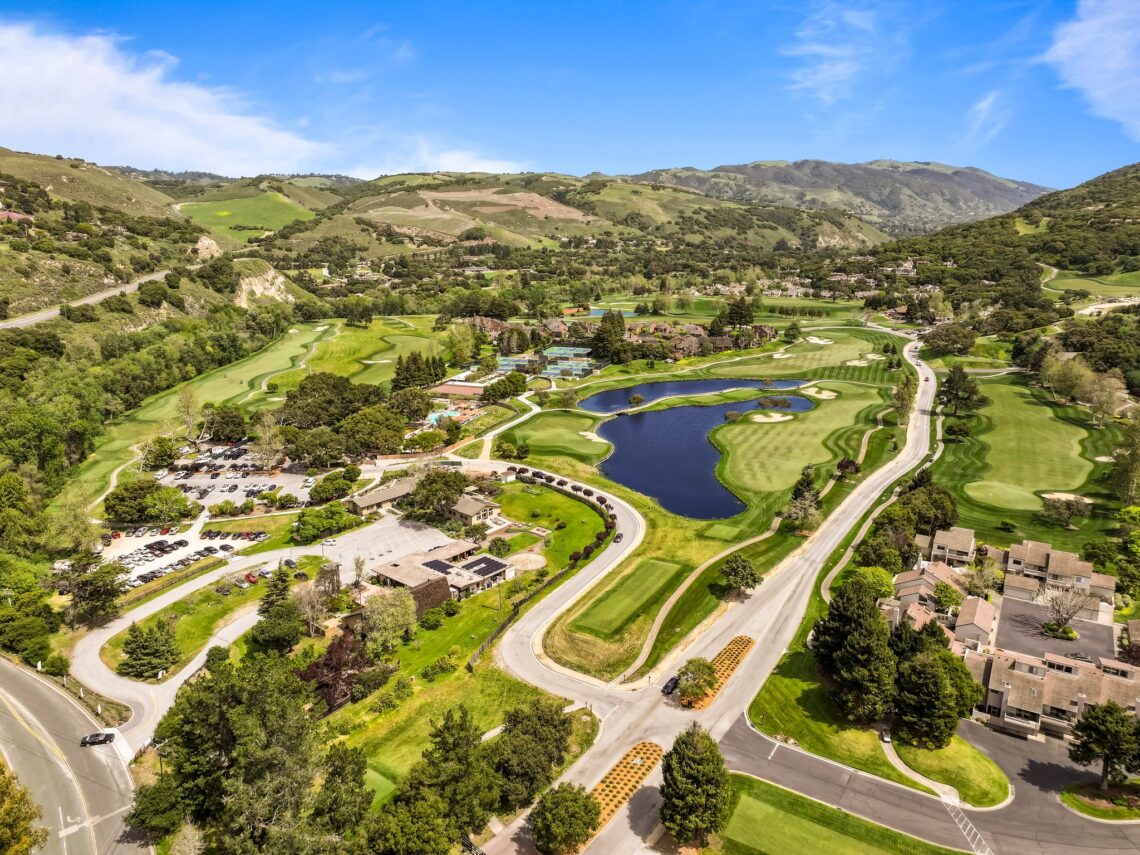
Mid Valley is where Carmel Valley starts to open up, and it holds a broader mix than the entrance does. Carmel Valley Ranch is the distinctive piece of it: single-family homes, condos and townhomes, many on compact parcels, with resort and golf amenities and homeowner dues, which makes it a genuinely different purchase from a house on acreage elsewhere in the valley. You can see more at: Carmel Valley Ranch. Around it, Mid Valley carries mid-range single-family homes, many of them built in the 1960s and 70s.
Miramonte and the Laureles Grade
Miramonte and the streets off Laureles Grade hold the largest houses in Carmel Valley, generally on an acre or more, at the upper end of the market. Laureles Grade itself climbs north out of the valley and connects to Highway 68, which matters for anyone whose day runs toward Monterey, the airport or Salinas rather than toward the coast. Parcels here are larger and more private than the village, and the pace of sale is slower.
Village Views
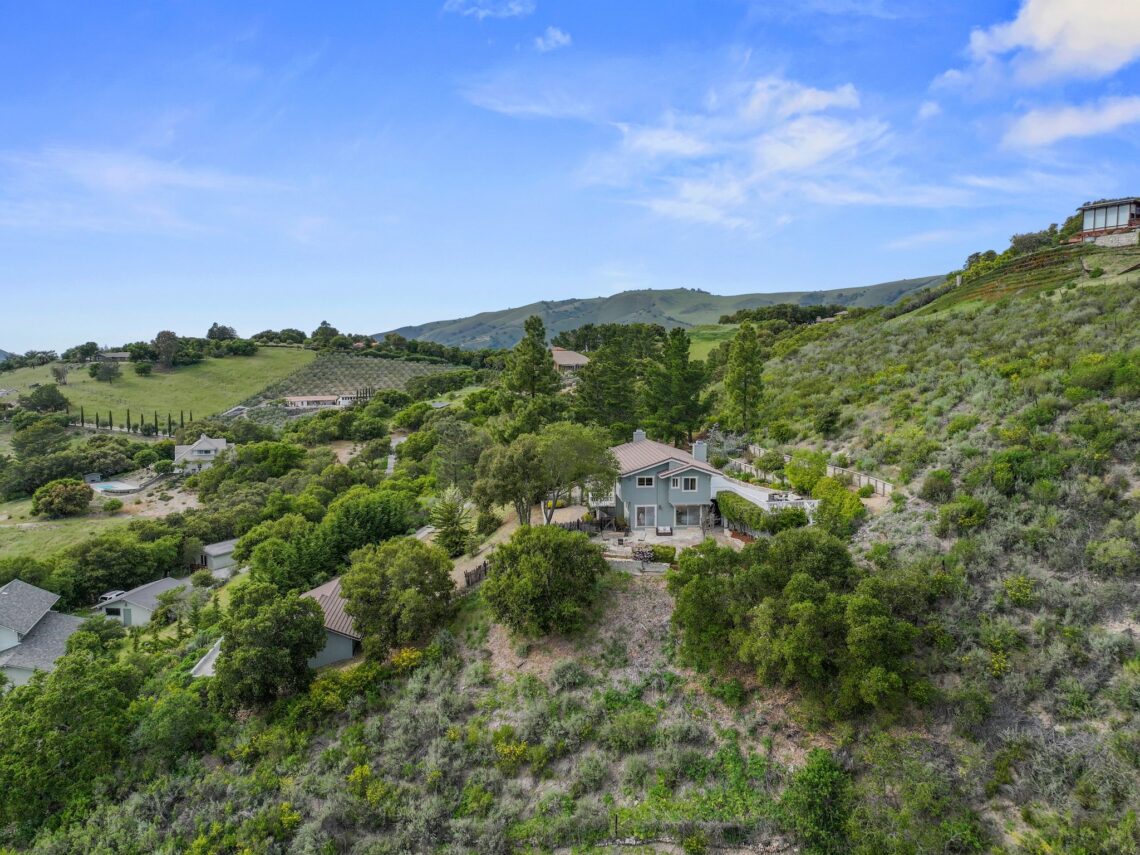
The slopes immediately above Carmel Valley Village hold some of the largest lots in the valley on the upper end of the price range, many of them with well water, septic systems and real acreage. What differs across this area is less the distance to the village than the street network. North and northeast of the village, El Caminito Road, Chaparral Road and the lanes off them form their own connected stretch that runs down toward the village. West of that, the local streets are organized along Carmel Valley Road instead. Two properties can sit a similar distance from Carmel Valley Village on a map and reach it in quite different ways, which is worth understanding before choosing between them.
Carmel Valley Village
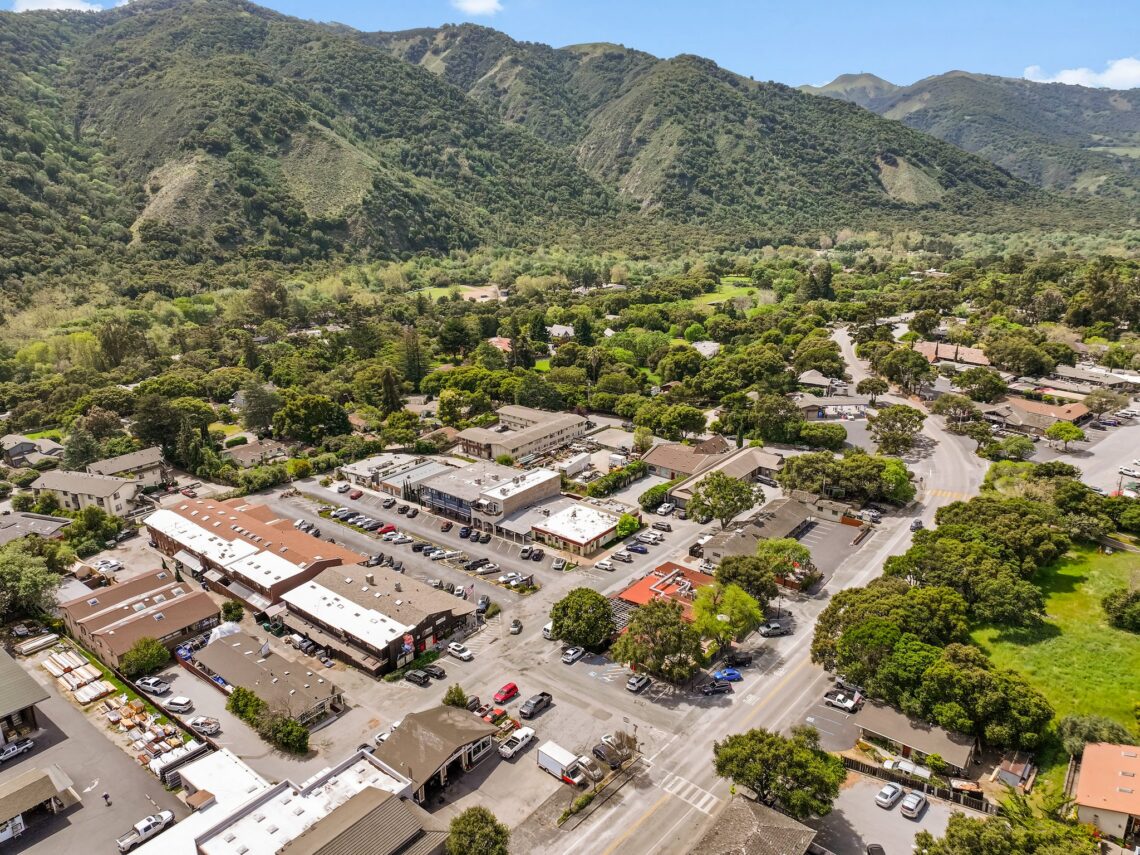
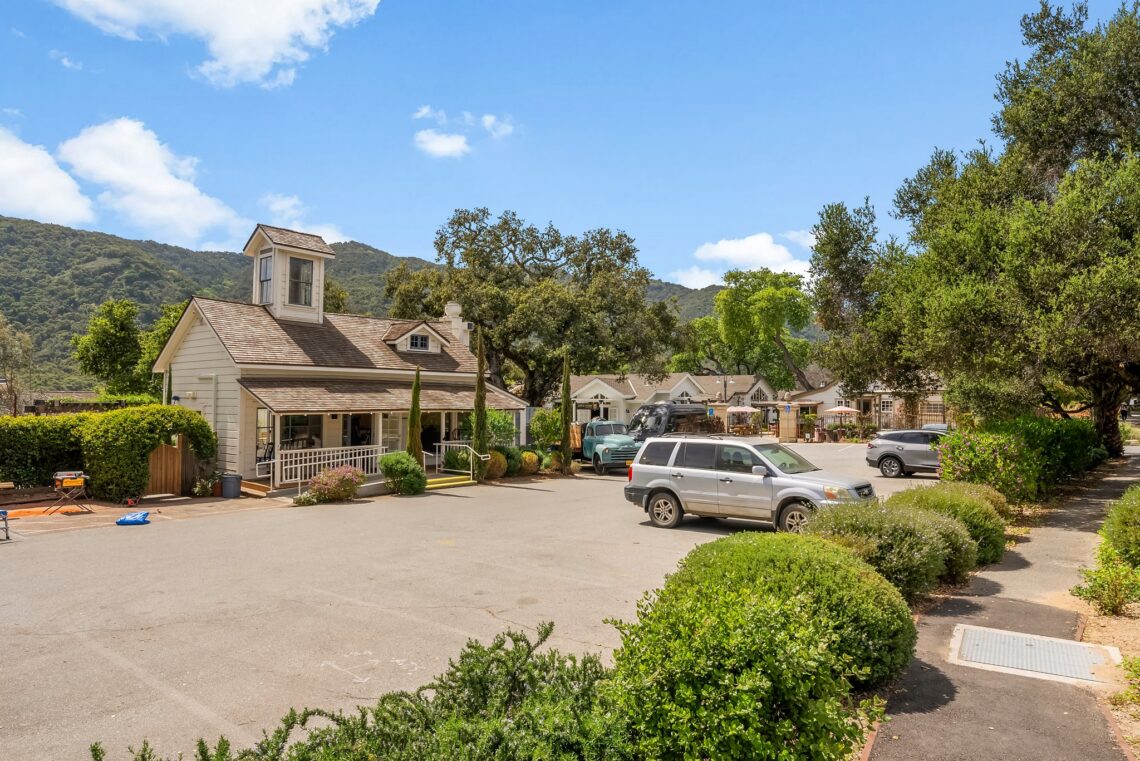
The village is the heart of Carmel Valley, drawing visitors year-round and offering a sense of connection that’s harder to find farther out. Homes here tend to be more modest in size, with many dating to the 1940s through the 1960s and sitting on smaller lots. The result is a neighborhood that tends to feel more close-knit, walkable and lived-in. Restaurants, tasting rooms and shops are concentrated along just a few blocks, creating a true town center, where the rest of the valley is more dispersed. It’s also the most active part of Carmel Valley’s residential market, with more homes changing hands here than in any other area.
Los Tulares
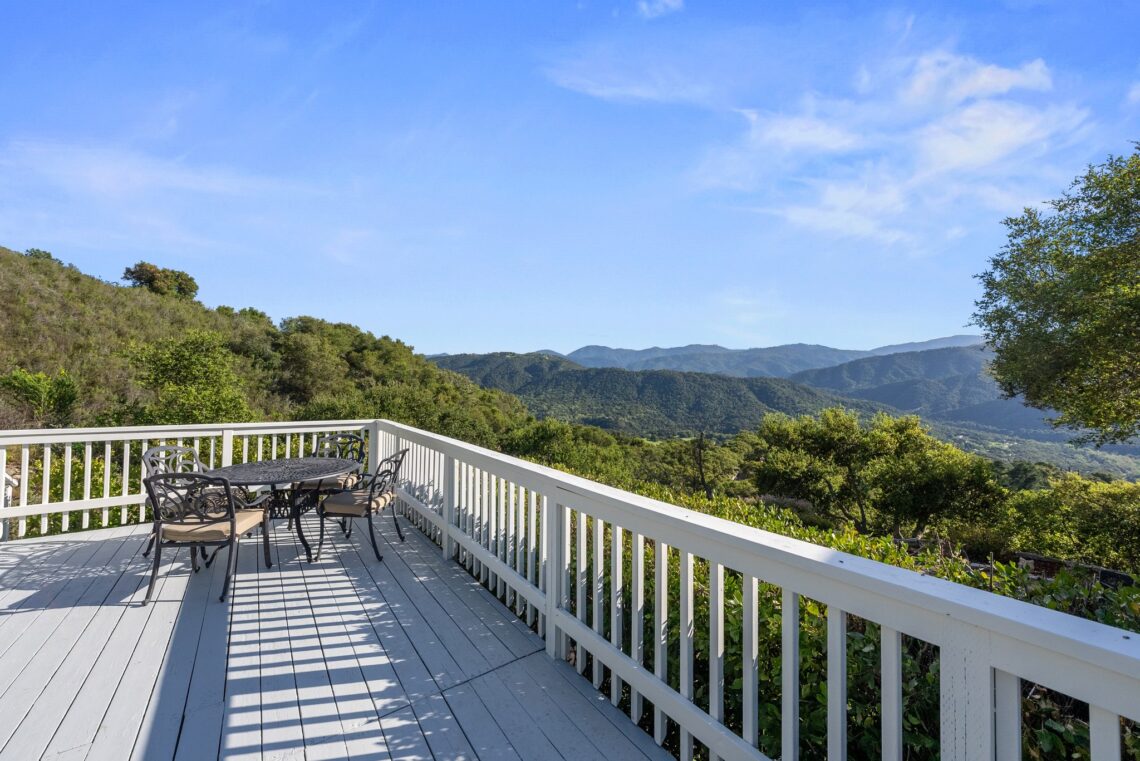
Los Tulares sits east of Carmel Valley Village, and it behaves as its own market. Houses are substantially larger than village homes, on parcels of an acre and up, at the upper end of the valley market by price. Several of the roads in and around it are privately maintained, with a road association and dues attached — one of the practical differences worth asking about early on any Carmel Valley property outside the village core.
Sleepy Hollow
Sleepy Hollow holds the largest homes in the Carmel Valley Village area, on some of the largest parcels near the village, and very few of them come to market in a given year. Owners here tend to hold for a long time, and a buyer looking specifically at Sleepy Hollow should expect to wait for the right property.
The Upper Valley
East of Los Tulares the valley becomes genuinely rural. Parcels are measured in acres, several of them large enough for horses. Homes are typically served by wells or shared private water systems, with septic and propane in place of a public main. This is where the sun is strongest and the land is most abundant, and where a dollar buys the most ground in Carmel Valley. Sales here take considerably longer than they do near the village.
Cachagua
Cachagua, at the eastern end of Carmel Valley beyond the upper valley, is a market of its own. Holdings run to tens of acres against the edge of Los Padres National Forest, services are private, and access is by two-lane road. It offers more land per dollar than anywhere else in Carmel Valley, and it asks more of an owner in return.
Schools in Carmel Valley
Most of Carmel Valley is served by Carmel Unified School District, including Tularcitos Elementary in Carmel Valley Village and Carmel Middle School near the mouth of the valley, with Carmel High School serving the district’s high school grades. All Saints’ Day School is an independent school serving preschool through eighth grade. Attendance boundaries do not follow the mailing address, and the northern edge of the valley toward Highway 68 falls outside Carmel Unified — so any address should be confirmed directly with the district before it is relied on.
What Buyers Should Know About Carmel Valley
Several things about Carmel Valley are not visible on a listing sheet, and the ones that matter most tend to be the ones a buyer has never had to think about before.
Carmel Valley Has No City Government
Unlike Carmel-by-the-Sea, Pacific Grove or Monterey, Carmel Valley is unincorporated. There is no city hall, and land use, building permits and rental rules run through Monterey County. That is not a drawback, but it does mean the answer to a rules question is a county answer, and it changes parcel by parcel.
A Carmel Address and a Carmel Valley Address Can Be the Same Valley
Much of the lower valley carries a Carmel mailing address even though it is unmistakably in Carmel Valley, and the boundaries used by the MLS have recently shifted in the same direction. A buyer comparing two listings can easily be looking at two homes a few miles apart that appear to be in different markets. See the Carmel page for how the same divide looks from the other side.
Utilities in Carmel Valley Vary From Parcel to Parcel
Public water, wells, shared private systems, sewer, septic and propane all exist in Carmel Valley, sometimes within a mile of each other. Water in particular is worth settling before an offer, especially for anyone planning to add fixtures or build— the Peninsula’s water credit system is one of the local specifics that surprises buyers most. Private road maintenance and its associated dues fall into the same category.
Sun and Fire Exposure Move Together in Carmel Valley
The warmer, drier side of the Peninsula is also the side where wildfire exposure and insurance availability need attention early. Hazard zones are mapped by CAL FIRE, and the rating is parcel-specific. It is a condition of ownership here, and worth pricing into an offer.
Buying or Selling in Carmel Valley
Carmel Valley rewards knowing which part of it you are actually shopping. The difference between the village and the upper valley is not only price — it is services, timelines, and what a given property will ask of an owner. Nate walks buyers through that before they narrow a search, and helps sellers price against the part of the valley their home actually sits in, not against the valley as a whole. New to the area? Start with the buyer’s guide or an overview of life on the Monterey Peninsula.
Call or text Nate at 831-869-6117, or reach him at nate@randallrealty.com.
Carmel Valley Homes for Sale
Current Carmel Valley homes for sale are below, updated directly from the MLS.